Virtual Card
Cards for corporate purchases: Choose a clear payment and management plan first
Connect supplier payments, department budgets, approvals and reconciliations. First confirm the account and card capabilities based on the actual purchasing method before deciding to register or inquire.
Purpose and conditions of procurement have been clarified
If you have specific payment requirements for suppliers or software, and have checked merchant payment methods, application qualifications, identity verification, card conditions and fees, you can start by following the registration guide.
Multi-department or continuous purchasing
When multi-person operations, project card division, budget control, bill export or refund follow-up are required, confirm the specific account permissions and functions before arranging card opening and funds.
When selecting an enterprise, please confirm four items first: Application subject and regional qualifications, card sub-cards and operation permissions, limits and complete fees, bill export and refund tracking. The approval and ledger in this article are management methods; the functions actually supported by the service provider should be verified item by item.
First look at UeePay applicable conditions and fees → · View the approval and accounting process → · View monthly reconciliation list →
Last updated: 2026-10-22

The most fearful thing in cross-border purchasing is not that “the payment step takes two extra minutes”, but that when there is a problem with the order, you can’t find who placed the order, which card was used to pay, where the refund will be returned, and which item the fee should belong to. When the purchase scale is small, personal card payment seems to be okay; when the team starts purchasing samples, stocking, software, logistics and scattered supplies at the same time, the account will quickly become chaotic.
Virtual cards do not replace purchase approval, nor do they guarantee that merchants will accept payment methods. What it can solve is another more basic thing: binding each payment to a specific procurement purpose, person in charge, and amount, so that procurement, operations, and finance can see the same record of facts.
Why do cross-border purchases need to be divided into scenarios before opening a card?
It is not recommended to use one master card to bear all purchasing expenses. Dividing cards according to scenarios can not only reduce misuse, but also make refunds and reconciliations easier to trace.
| Procurement scenario | Recommended card settings | Management Focus |
|---|---|---|
| Place an order on the market platform | Store or purchase item special card | Order number, product amount, tax, refund |
| Supplier samples and small purchases | Set up cards by supplier or project | Single transaction limit, usage period, approval remarks |
| Logistics, warehousing and tooling costs | Cards divided by service type | Automatic renewal, periodic billing, person in charge |
| Urgent replenishment | Short-term special card | Temporary quota, approval records, subsequent write-off |
| Large or long-term purchases | Special card or quota corresponding to the purchase order | Contract, order, batch payment and refund follow-up |
For example, in retail or procurement scenarios such as Amazon, Walmart, and Target, orders may include goods, shipping costs, taxes, split orders, pre-authorization, and subsequent refunds. The card limit cannot be set based only on the price on the product page; purchasing personnel should not confuse the receipt information with the billing information, and should fill it in truly according to the merchant and card rules.
What problems will arise if orders, cards and responsible persons are disconnected?
The mature procurement process is not complicated. The key is that every step can be traced back. Purchasing requirements first have a purpose and budget, and then the corresponding payment card is allocated after approval; after the order is placed, the order voucher is associated with the card-side transaction; when the goods, services or refunds change, they continue to be updated in the original record instead of starting a new chat message.
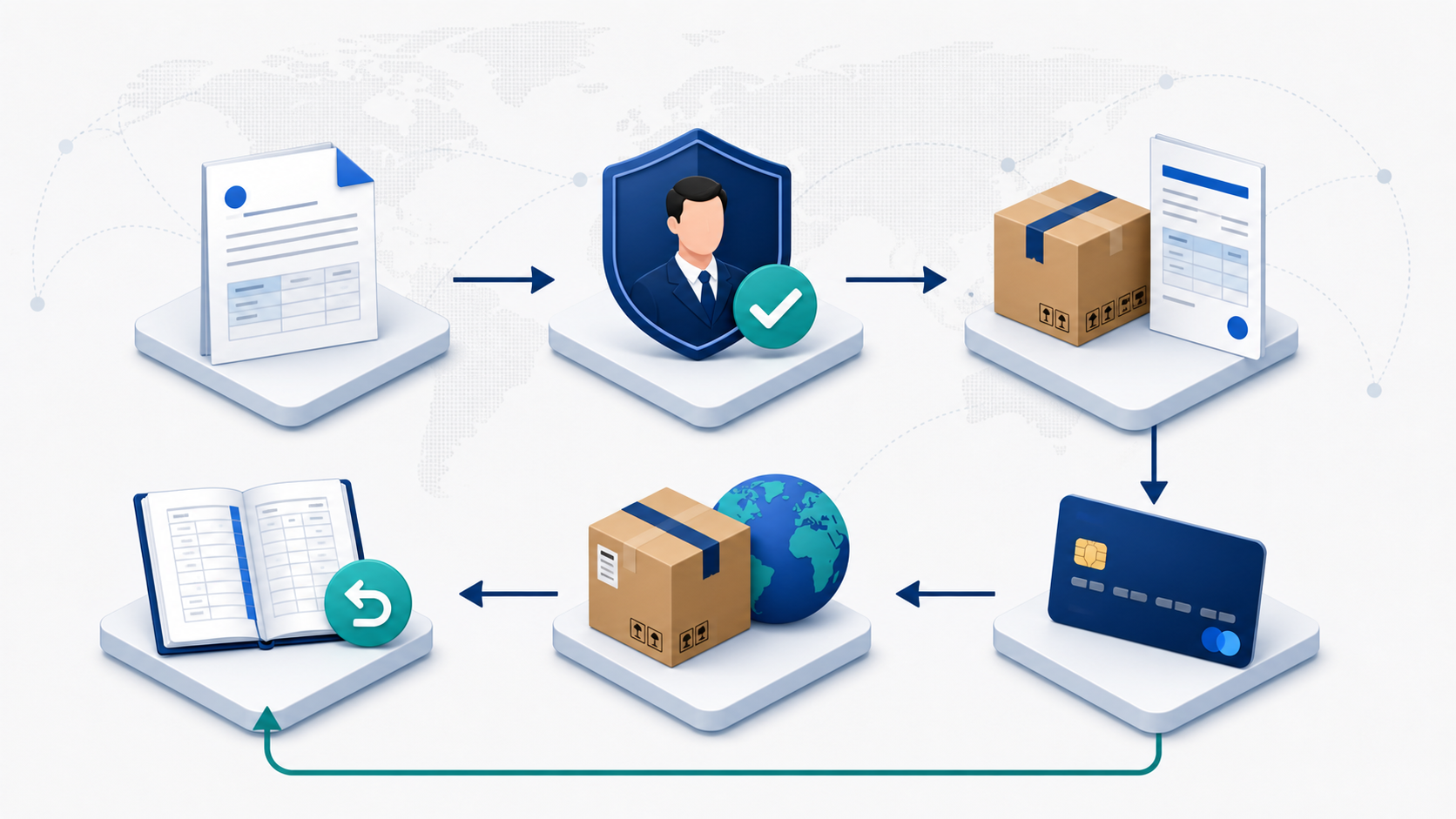
An executable procurement record includes at least:
- Procurement purpose, project or cost center;
- Supplier or platform name, order number and orderer;
- Approver, approval amount and payment card last number;
- Products, shipping costs, taxes and final deduction amount;
- Subsequent status of refund, cancellation, split order or out-of-stock;
- The person who confirms receipt of goods, completion of service or financial write-off.
When the order amount is small, the team often feels that these fields are “too formal”. But when a chargeback, repeated chargeback, or supplier delay in shipment occurs, it is these records that prevent the problem from being investigated from the beginning.
The most easily missed details in supplier payments and refunds
First, completion of payment does not mean that the order has been completed. Some merchants will perform pre-authorization first, and then actually deduct payment according to the delivery or service progress; the same order may also be split into multiple transactions. Second, the time it takes for a refund to return to the original route is related to the merchant’s processing time, payment network and card side account entry. The refund application and status should be saved instead of just judging based on “refunded” on the merchant page. Third, when the purchasing team changes the person in charge, it must hand over unfinished orders and unpaid refunds to prevent funds from returning to unattended cards.
| Situation | Evidence that should be retained | Next step |
|---|---|---|
| The order failed but a transaction is being processed. | Order page, transaction time, amount, card number | Wait for the status to change first to avoid placing repeated orders |
| The merchant shows that the refund has been made | Original order, refund number, refund amount and date | Track the actual credit on the card side and submit complete information for consultation when necessary |
| Partial shipment or partial refund | Split order details and each amount | Write off each transaction in the ledger instead of closing the case at one time based on the total amount |
| Change of purchasing manager | Card, uncompleted orders, refund list | Clarify the handover person and review date |
Establish a procurement approval process based on amount and risk
If small daily purchases need to be approved at various levels every time, it will indeed slow down the business; however, large purchases, unusual suppliers, and temporary increases in limits are not suitable for relying solely on verbal consent. It is recommended to set simple rules based on amounts and scenarios: daily quotas must be reviewed and approved by the project leader; financial review should be added when the project budget is exceeded or new suppliers are involved; emergency procurement instructions should be completed within the specified time afterwards.
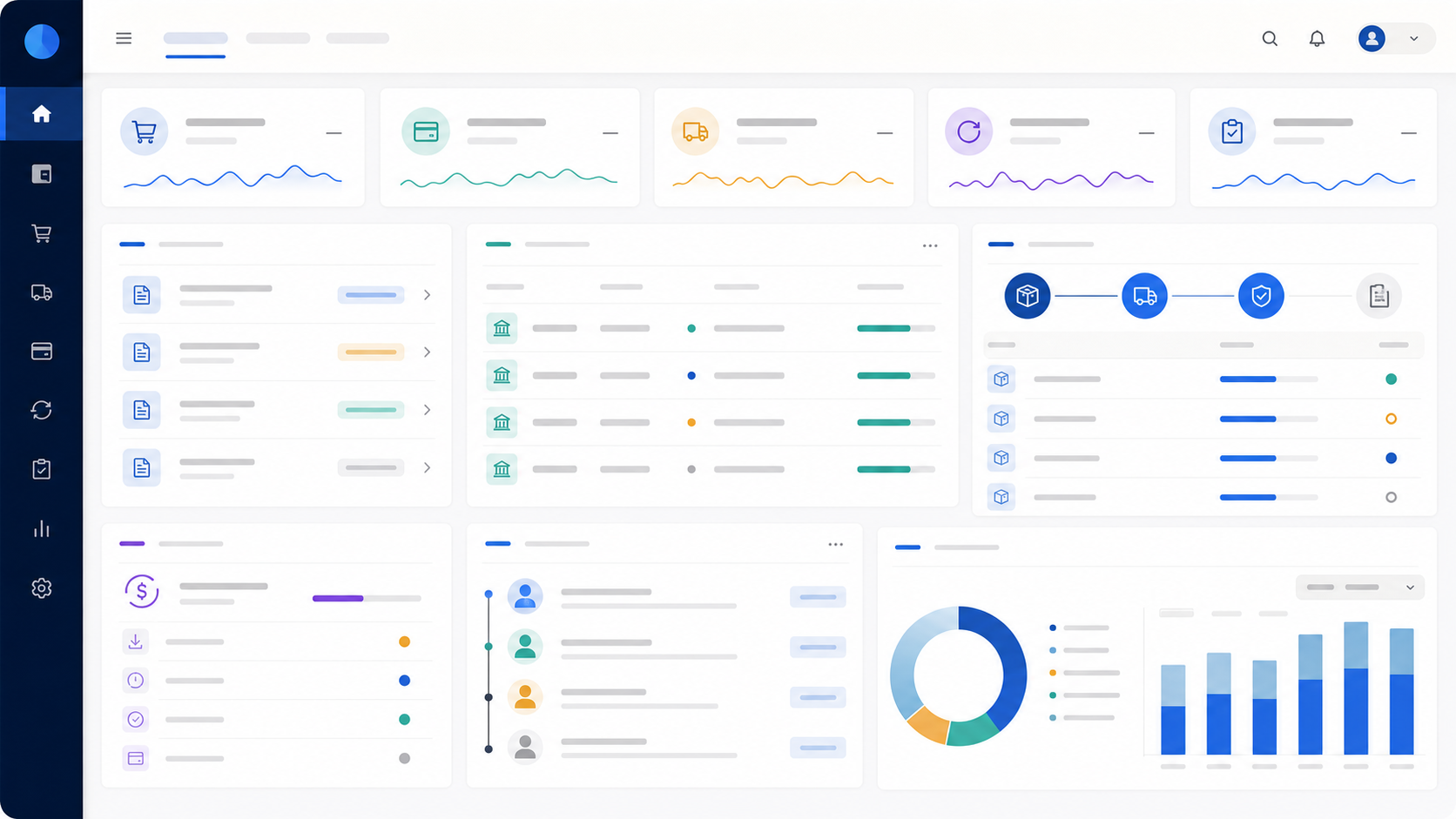
The purchasing card ledger can start from the following six columns:
| Field | Purpose |
|---|---|
| Purchase order/order number | Match merchant orders with internal needs |
| Suppliers and uses | Make the attribution of expenses clear |
| Card tail number and person in charge | Locate payment permissions and transaction records |
| Approval amount and actual amount | Identify tax, freight and bill split differences |
| Order/receipt/refund status | Prevent unfinished items from being missed |
| Certificate link | Save invoices, receipts, logistics or refund information |
When you reconcile at the end of the month, don’t just look at “how much you spent”
It is recommended to separately calculate recharge, actual consumption, pre-authorization, refund, chargeback or dispute for monthly reconciliation. Pre-authorization is not the final cost, and the refund shown by the merchant does not mean that the funds have returned to the available balance; if they are mixed together, the purchasing department and finance can easily miscalculate.
Purchase and Payment Monthly Checklist
- Each card-side transaction can find the corresponding order or purchase purpose.
- The purchase approval amount, actual payment amount and tax differences have been explained
- Pre-authorization, actual deductions and refunds are recorded separately
- Non-delivery, partial refunds and unaccounted refunds will be followed up by the person in charge
- Card permissions and resigned/transferred personnel have been reviewed
- Automatic renewal, logistics or warehousing periodic deductions have been checked
- Approval and vouchers are required for large or abnormal transactions
- Merchant, region, tax and payment restrictions are subject to actual rules.
Related reading
- “Amazon, Walmart, and Target Corporate Purchase Payments: How to Manage Limits, Vouchers, and Refunds”
- “How cross-border procurement teams use VCC to manage supplier payments, refunds and procurement approvals”
- “Enterprise Virtual Card Monthly Reconciliation Template: How to Count Recharge, Consumption, Refund, and Chargeback”
Tips: This article provides ideas for purchase and payment management and does not constitute tax, legal or merchant access advice. Different merchants have different requirements for regions, billing information, payment methods, returns and refunds. Before submitting an order, the merchant page and actual contract should prevail.
Virtual Card
Original article by Virtual Card Reviews & Cross-Border Payment Guides. If republishing, credit the source: https://visaspay.com/en/cross-border-enterprise-procurement-vcc-management-guide-how-to-do-supplier/