Virtual Card
This guide summarizes the differences between personal KYC and corporate KYB, risk checks for KYC-free services, and selection methods based on usage. You can directly view the chapter you need.

When choosing VCC (Virtual Credit Card, virtual card), many people first ask “Can KYC be waived?” But what’s really worth asking is:Who is responsible for the card, balances, chargebacks and disputes? KYC/KYB is not simply a registration threshold; it is usually related to anti-money laundering, risk review, account permissions, quotas, customer service intervention and fund traceability.
This article is oriented to the actual scenarios of personal subscription, group purchasing and cross-border business, explaining the difference between KYC and KYB, common risk signals of low-threshold or “KYC-free” services, and how to choose a card without sacrificing security. Different regions, card issuers and service terms differ. This article is for general information only and does not constitute legal, tax or investment advice.
It’s not about “should you use your real name or not”, but which level of responsibility chain is required for your scenario?
- Personal, low-frequency, small-amount subscription: Give priority to KYC services that have clear rules and can explain the card issuer and fees; only put in a small balance that can withstand losses for the first time.
- Team, company, advertising or API spend: Take KYB first. Although there are more materials, it is more suitable for multi-person permissions, reimbursement/invoices, payment records and long-term quota management.
- Any service that claims “permanent anonymity, unlimited limits, and no risk control”: should all be considered high-risk marketing rhetoric. Even if no information is required initially, supplementary verification may be required during limit increases, refunds, abnormal transactions or compliance reviews.
What is the difference between KYC and KYB?
| Project | KYC (personal identity verification) | KYB (Business Certification) |
|---|---|---|
| Verification objects | The natural person using the account | Company/organization, as well as actual controller, legal representative or authorized operator |
| Common materials | ID card, living body/face, contact information; some services will require address or source of funds description | Registration documents, subject information, beneficial owner/controller information, authorization relationship, business description; subject to platform requirements |
| Suitable for the scene | Personal software subscription, travel, development and testing, personal purchasing | Team purchasing, employee card use, advertising, supplier/API expenditures, reconciliation and financial management |
| Ability that usually brings | Account ownership is clearer; you can apply for more complete quotas or support | Multi-member permissions, approval/transaction records, corporate data retention, and business-level support are more likely to be available |
| Common misunderstandings | “It will be safe if you do KYC” – No, you still need to check the subject, rates and rules | “KYB is just about submitting more information” – more than that, it helps establish the responsibility relationship between the company and the actual controller |
International anti-money laundering frameworks generally view customer due diligence (CDD) as a combination of identifying customers, understanding the purpose of the business relationship, and conducting ongoing monitoring; corporate customers may also involve beneficial owner information. Can be referenced FinCEN’s CDD Description and FATF Recommendations. This does not mean that every VCC platform is directly subject to the same jurisdiction’s rules, but it can explain why compliance services set up different levels of verification.
Low threshold does not mean there is no risk control, nor does it mean that funds are guaranteed to be safe.
The so-called “KYC-free” in the market may refer to: less information during the registration stage, low quota usage, review by upstream institutions in subsequent stages, or the service provider itself is only a first-tier agent. It does not automatically mean that the service is illegal, but it also will not be replaced Your verification of the subject, card issuance link, fees and dispute handling.
When recharges become large, transactions are abnormal, merchant refunds, chargeback disputes, cross-border restrictions or compliance rules are triggered, the platform may require supplementary information, suspend certain functions or review funding sources. If the user only sees “Open a card in seconds” at the beginning but does not know the card issuer, processor and support path later, it is easy to have no way to deal with the problem after it occurs.
KYC-free / low-threshold VCC’s 7 types of core risks
- Balance risk: There is often no clear answer as to who will keep the balance after recharging, whether it will be isolated, whether it can be refunded, and how to get it back after the platform is interrupted.
- The subject is not traceable: The website does not have a company name, registration location, terms of service, privacy policy or effective contact channels, and the entrance to rights protection and complaints will be very limited.
- The card issuance link is opaque: When the card plan, service area or responsible party cannot be explained, it is difficult to locate the card being deactivated, refund delays, and merchant verification failure.
- Hidden rates: In addition to the card opening fee, you should also check the fees for recharge, currency exchange, consumption, failed transactions, refunds, cash withdrawals, monthly fees, idle fees and small balance clearance fees.
- Temporary changes to the rules: Low-threshold services may adjust merchant type, currency, quota or replacement requirements at any time; the promise of “permanent review-free” is particularly unreliable.
- Lack of customer service and dispute handling: There are only group chats or private chats, and there are no work orders, email addresses, service time limits and refund rules. It is difficult to leave evidence of handling if there is a problem.
- Data and account security: Opaque bots or websites may fail to protect balances or improperly collect credentials, login information, and transaction data.
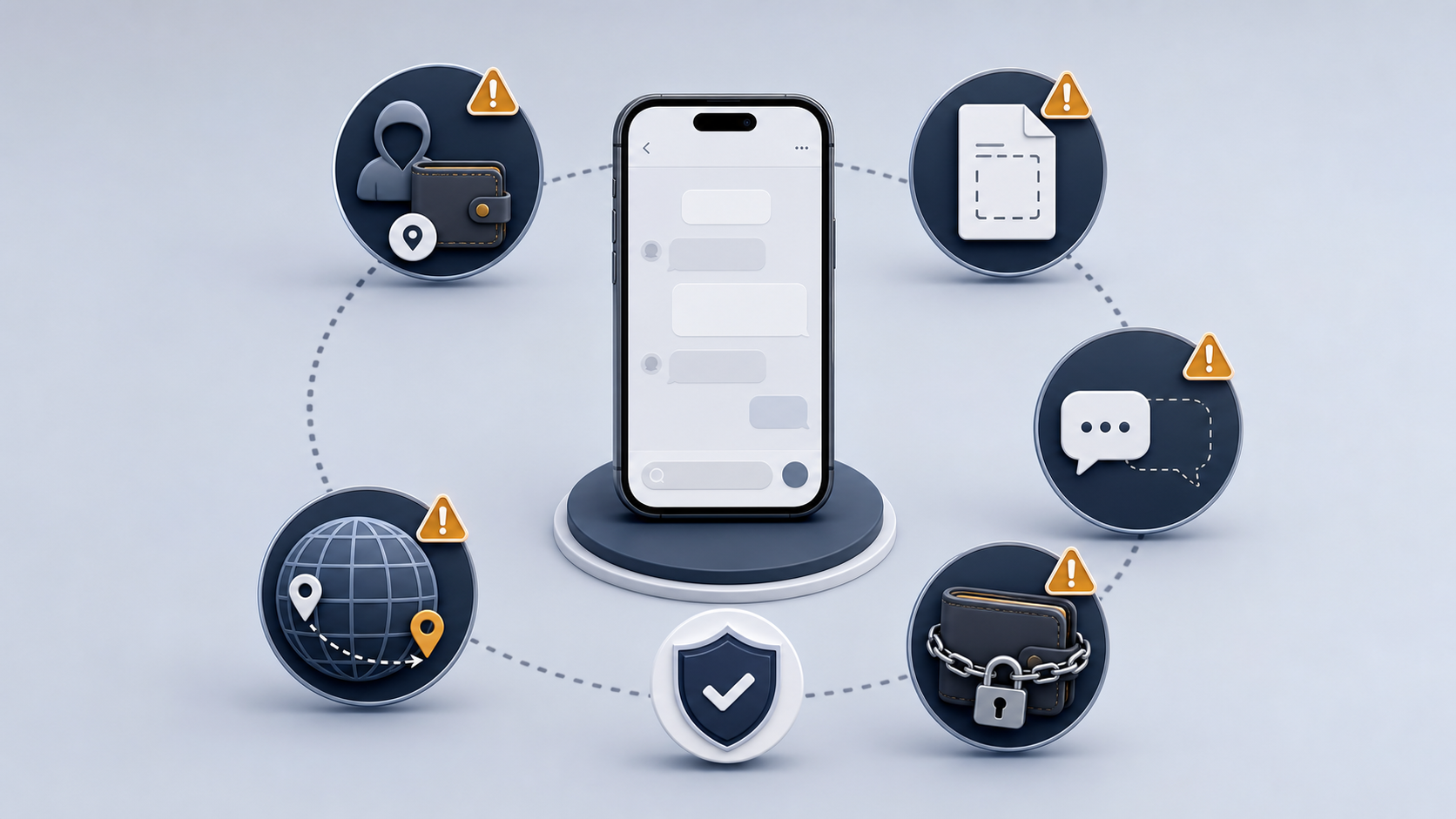
Regarding the “runaway incident”: risk patterns should be identified and unsubstantiated accusations of naming names should not be spread
It is common on the Internet to say that “a certain card platform ran away” and “a certain robot lost contact”, but the judgment of the specific target should be based on regulatory announcements, judicial documents, the platform’s official liquidation/service interruption notice and verifiable public records. In order to avoid accidental injury, the following is listed below:Risk event pattern is not a factual allegation against any specific brand, channel or Telegram bot.
Mode 1: Telegram’s self-service card opening robot only collects payments and does not provide a responsible person
Common characteristics: Requires users to transfer funds directly to on-chain addresses; there is no company information, terms of service, privacy policy, work order email or card issuance instructions; all support relies on a single account or group administrator.
Possible consequences: The robot/account has been deleted, the group chat has been banned, the balance has not been recorded, or there is no processing entry for refunds. On-chain transfers can be seen, but this does not mean that you can confirm the identity of the payee or the path of recourse.
Verification before use: Request and save the subject name, terms version, fee schedule, refund process, official customer service channel and card service responsible party; refuse large transfers to personal wallets or addresses that cannot correspond to orders.
Mode 2: Anonymous “open card in seconds” website frequently changes domain name or customer service entrance
Common characteristics: Promises extremely low rates and “unlimited”, but domain names, social media accounts or customer service links change frequently; the page lacks operating companies, registration information and verifiable historical records.
Possible consequences: The login portal is invalid, the card cannot be used, and the old balance and refund status cannot be queried.
Verification before use: Check the domain name history, whether the subject in the terms and contact address are consistent, and confirm whether the platform can explain its service coverage and complaint/dispute process. For regulated businesses, this should be checked with the official register in the appropriate jurisdiction; for example the UK can use FCA’s Institutional Verification Instructions.
Mode 3: The agent/white label layer loses upstream support, and users only face “stuck”
Common characteristics: The front-end platform cannot explain upstream relationships, stuck segments/service rules, or fault upgrade paths; there is only a sales commitment and no written support agreement.
Possible consequences: When upstream policies are adjusted, all cards may be affected at the same time; it is difficult for users to determine who will follow up on balances, refunds initiated, and merchant disputes.
Verification before use: It is required to clarify who provides customer service, who is responsible for recharging and refunding, announcements and work order paths when services are interrupted; in team scenarios, priority is given to KYB services that can retain contracts, bills and permission records.
Use a 10-minute checklist to make choices
- Can I find the operating entity, registration information, privacy policy and terms of service on the official website?
- Are the fees clearly stated: card opening, recharging, currency exchange, consumption, failed transactions, refunds, cash withdrawals, monthly fees/idle fees?
- Can you explain the responsible party, service areas and prohibited uses of card issuance/payment services?
- When encountering a refund, chargeback or card deactivation, are there any work orders, email addresses and processing time limits?
- Does it support two-factor authentication, login notifications, card freezes, limits or merchant controls?
- What is the specific meaning of “KYC-free”: only low amounts are exempt from submission, or is it still possible to provide additional documents in the future?
- Will personal cards only be recharged with the necessary amount, and no large balances will be accumulated on the platform for a long time?
- Does the company need KYB, multi-member permissions, approval records, reconciliation, invoices and authorization management?
- Does the “lowest rate” in the promotion have a complete rate schedule and applicable conditions, instead of just showing an entrance price?
- Do you avoid making decisions based solely on word of mouth, screenshots or private message promises in group chats?
Give suggestions based on usage scenarios
| Your scene | Preference | Should be avoided |
|---|---|---|
| Personal AI/Software Subscription | Complete KYC, transparent rate, freezeable card and officially supported services; small monthly recharge | Put long-term large balances on robots or group card platforms with unknown origins |
| Development testing or one-time payment | Low-limit, configurable card; save screenshots of orders and fees | Accept platforms without any terms or refund rules in order to “free real names” |
| Team purchasing/advertising placement | KYB, multi-person permissions, approval/reconciliation/invoice, clear enterprise support path | Leave corporate budget to personal accounts or agency level without business agreement |
| Cross-border high-frequency business | First confirm the region, merchant type, settlement currency, exchange and risk control rules; test in batches | Take “no limit, instant arrival, never review” as the basis for long-term stability |
Final reminder: Put “verifiable” before “card opening speed”
A good VCC choice is not that the less information the better, but that you can understand and verify:Who opens the account, who handles the money, how the rates are calculated, who to contact if there is a problem, and how the balance is handled. KYC is suitable for establishing a chain of responsibility for personal use, while KYB is more suitable for corporate expenditures and long-term management; neither can replace the verification of platform entities, fees and service capabilities.
If the platform only emphasizes anonymity, low prices and instant card opening, but avoids the subject, terms, rates, refunds and support channels, the safest option is not to recharge, or to only complete verifiable tests with a very small amount. Safety is not a one-time promotional promise, but a responsible party with clear rules, records and traceability at every step.
Reference:FinCEN CDD Final Rule、FCA Institutional Verification Guidelines、FATF Recommendations. Please refer to the latest rules, official terms of the platform and actual service scope in the jurisdiction where the service is located.
Virtual Card
Original article by Virtual Card Reviews & Cross-Border Payment Guides. If republishing, credit the source: https://visaspay.com/en/how-to-choose-2026-vcc-virtual-card-kyc-kyb-differences-in-real-name-authen/