Virtual Card
Data verification time: September 28, 2026. This article reviews the GPT-5.6 Luna and Terra API price reductions announced by OpenAI on July 30, 2026. The “80% price reduction” here refers to the change in API pricing per million Tokens at that time, which does not mean a reduction in ChatGPT’s monthly subscription fee, nor does it represent a change in bank card or virtual card handling fees. The model, amount and price will continue to be adjusted, please check before use.OpenAI API current price list.
Background: Model competition begins to extend from “stronger” to “how much does each task cost”
After the team connects the large model to customer service, content organization, code testing or internal knowledge base, the model capability is important, but the bill will continue to change with the call volume, input length and output length. In the past, “closed source models are stronger and open models are cheaper” was often regarded as a simple judgment; in fact, model grade, hosting method, cache, task complexity and actual success rate will all affect the total cost.
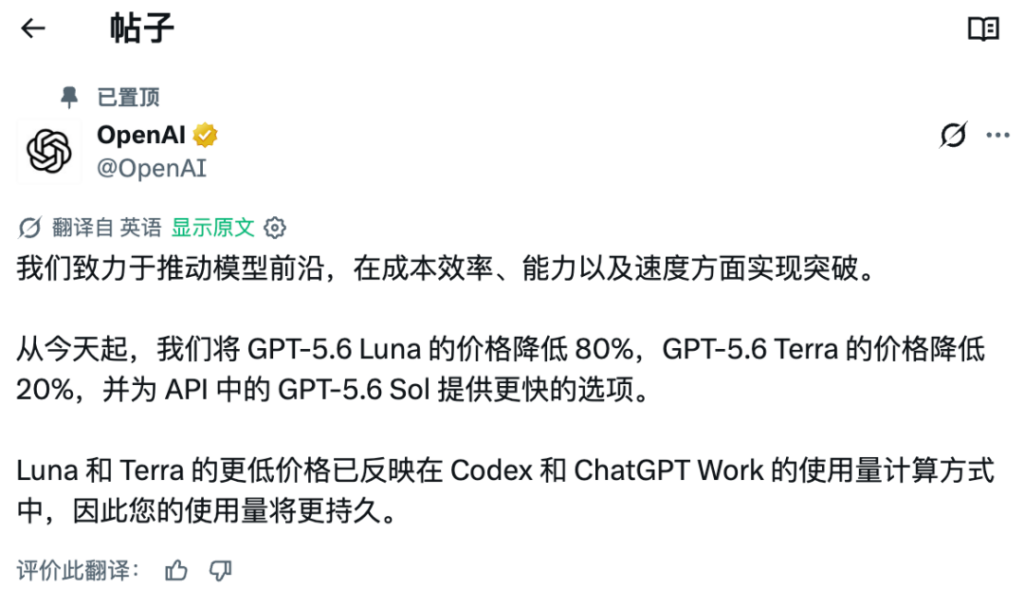
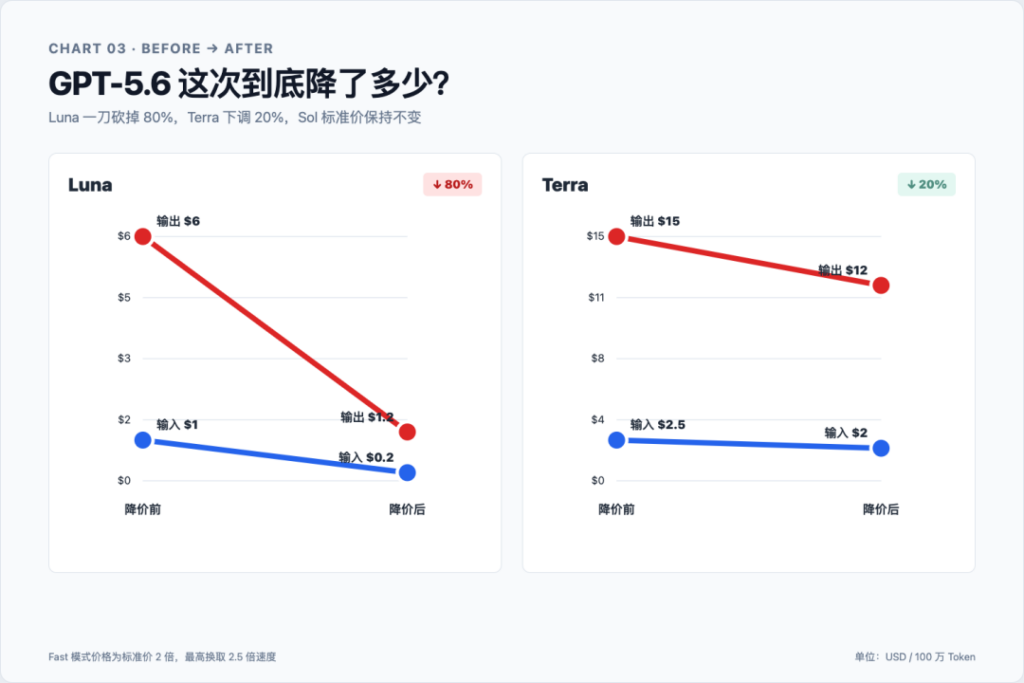
OpenAI announced on July 30, 2026 that it would lower the API prices of GPT-5.6 Luna and Terra: Luna by 80% and Terra by 20%. The significance of this adjustment is not just to lower the price, but to allow developers to re-evaluate which repetitive tasks can be completed with more suitable models. The official announcement also stated that the quota consumption of GPT-5.6 Luna and Terra in Codex and ChatGPT Work will be reduced; this is a different billing standard from the API unit price and ChatGPT subscription monthly fee.
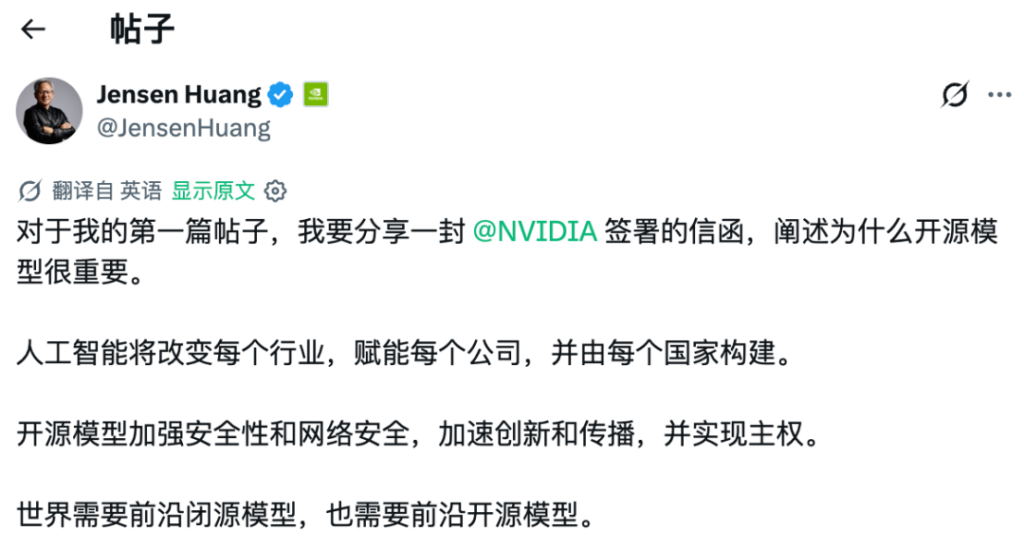
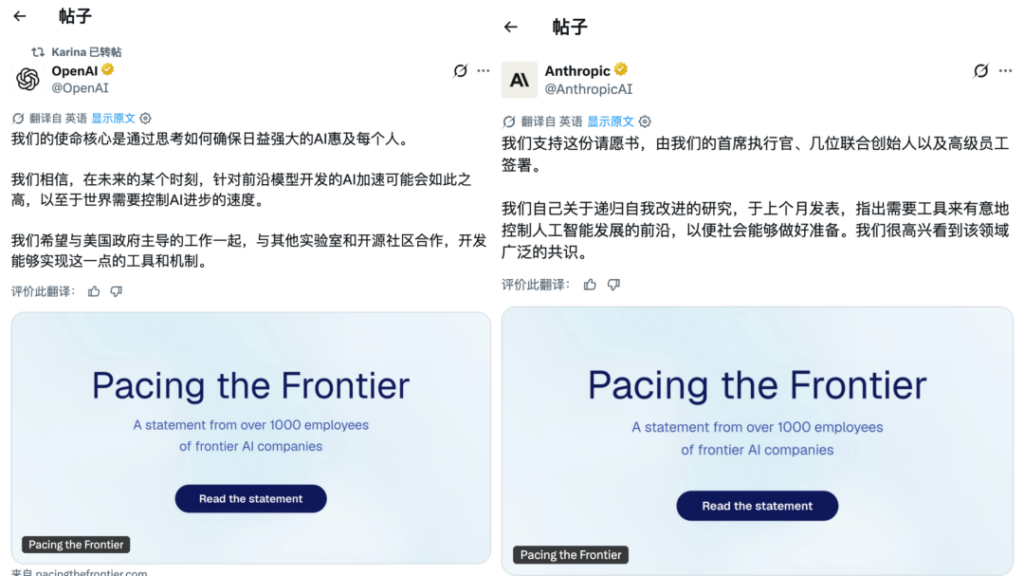
Pain point: Only looking at the unit price per million Tokens can easily underestimate the true bill.
For the same call, the bill may be affected by the number of input and output tokens, cache hits, long context, retries, tool calls and selected models. Another common misunderstanding is to confuse API pay-as-you-go with ChatGPT’s individual or team subscription: lowering the API price will not automatically reduce the subscription fee; how to calculate the quota consumption within the subscription should also look at the rules of the corresponding product.
Therefore, “80% cheaper” does not mean that the total cost of each project is reduced by 80%. If multiple retries are required to get usable results, or if cheaper models are not suitable for complex tasks, the final cost may be higher. For enterprises, bills must be classified by project, member and purpose; payment tools only affect payment management and will not change the service provider’s Token price, nor can it guarantee that a certain merchant will accept a certain card.
Current situation: 80% is the historical adjustment of API unit price, and the specific savings will be calculated based on usage
According to the price per million Tokens in the OpenAI announcement on July 30, 2026, GPT-5.6 Luna’s input dropped from US$1 to US$0.20, and its output dropped from US$6 to US$1.20; Terra’s input dropped from US$2.50 to US$2, and its output dropped from US$15 to US$12. Below is a price comparison for that announcement and is not a complete or up-to-date quote for all models in September 2026:
| Model | Before adjustment: input/output | 2026-07-30 After adjustment: input/output | Announcement of decrease |
|---|---|---|---|
| GPT-5.6 Luna | $1 / $6 | $0.20 / $1.20 | 80% |
| GPT-5.6 Terra | $2.50 / $15 | $2 / $12 | 20% |
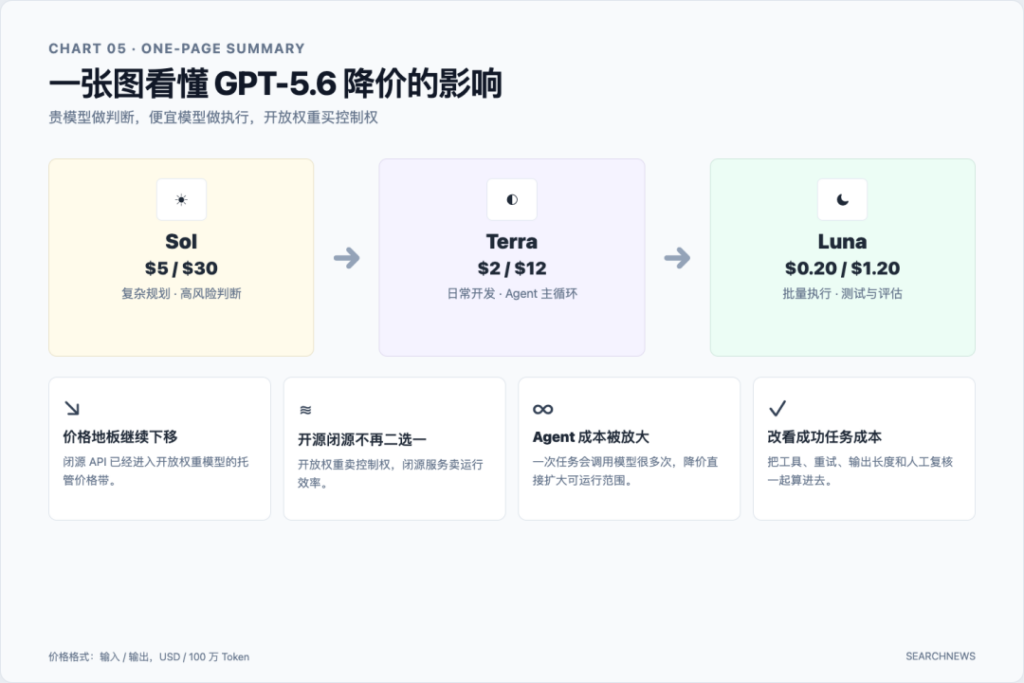
To give an easy-to-understand example: Assume that a task uses a total of 1 million input tokens and 200,000 output tokens, excluding cache, tools and retries. Based on the adjusted price estimate, Luna is about 0.20 + 0.24 = 0.44 US dollars, and Terra is about 2 + 2.40 = 4.40 US dollars. The actual bill shall be based on the actual API usage record. OpenAI also subsequently announced the short-term price adjustment of GPT-5.6 Sol; please refer to the current model and price at GPT-5.6 official update and Model Catalog shall prevail.
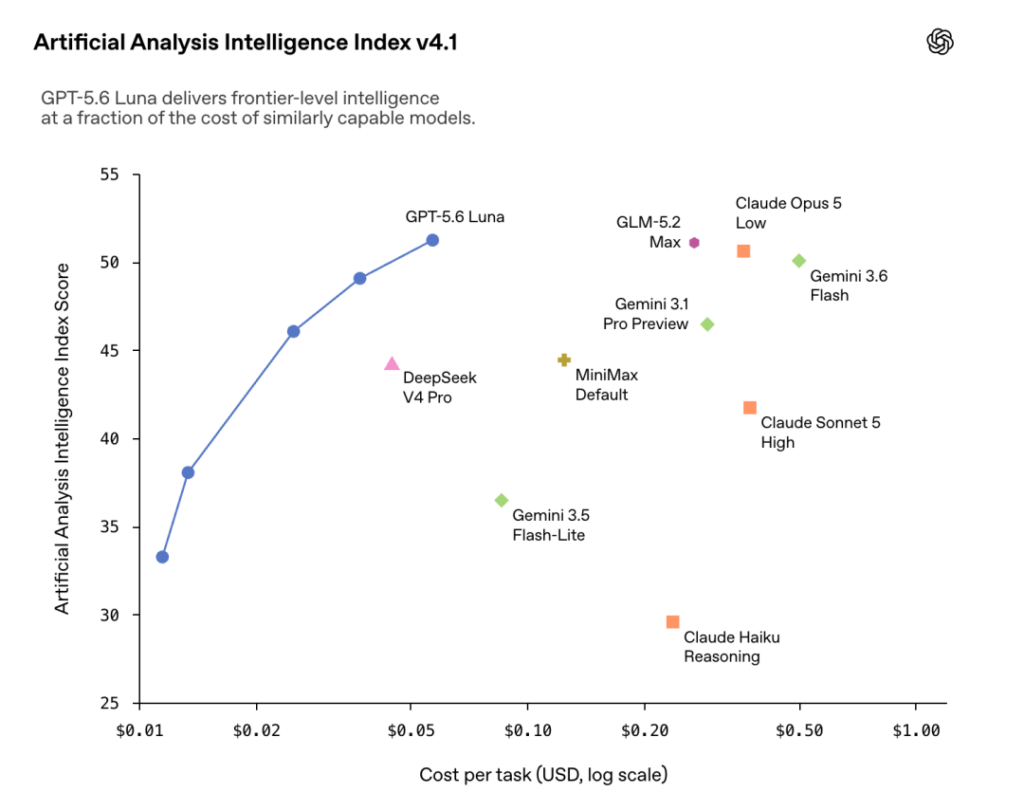
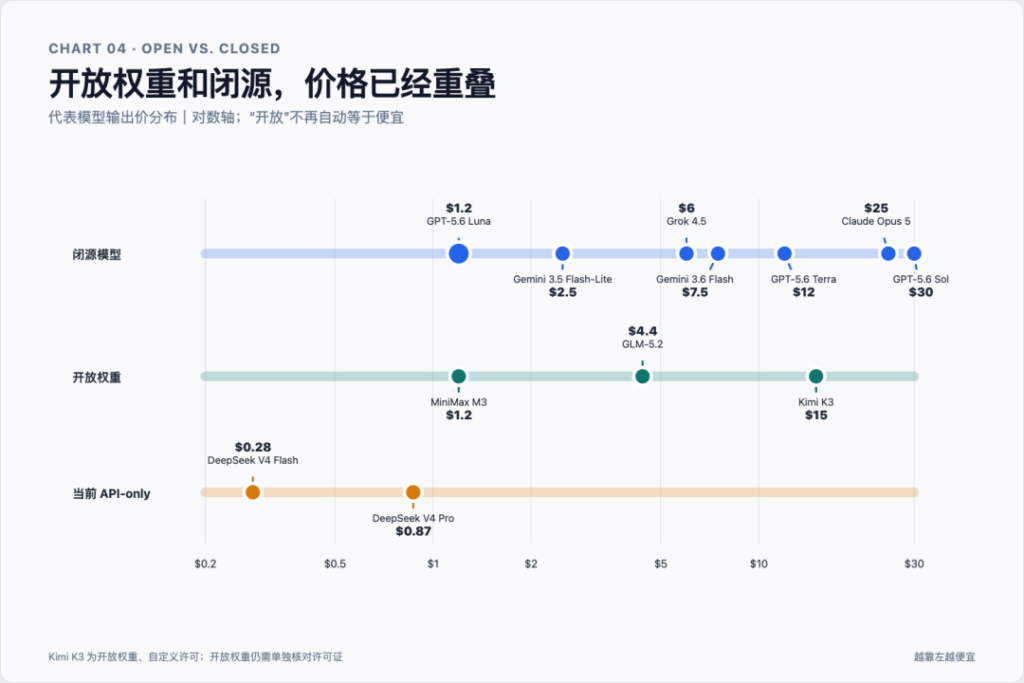
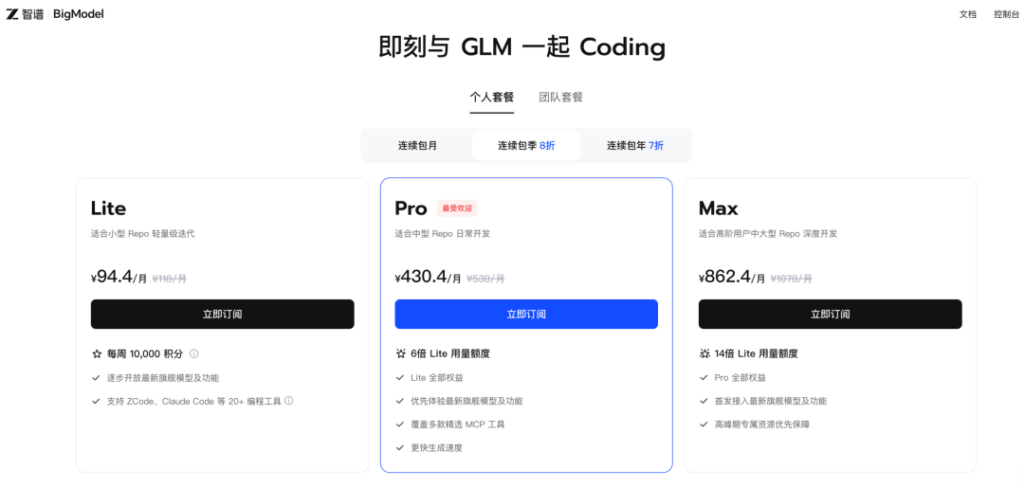
The original article still contains several screenshots of the model and price pages consulted in July 2026. Different vendors, hosting platforms, regions, and pricing options are not completely comparable. These images are only a record of the information at the time and should not be taken as a current price commitment or selection conclusion.
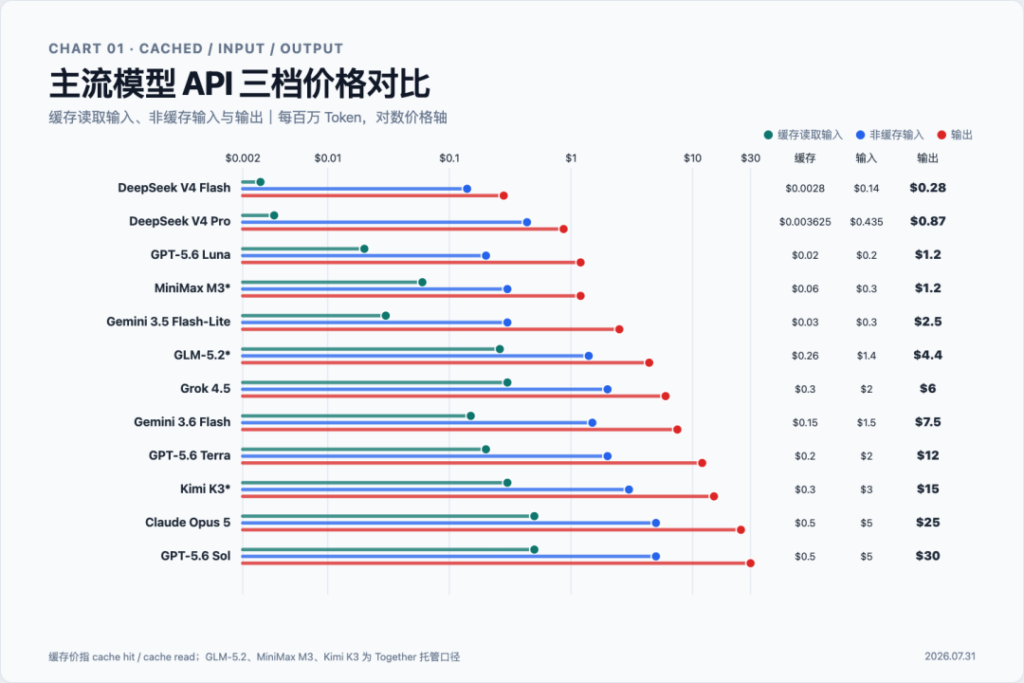
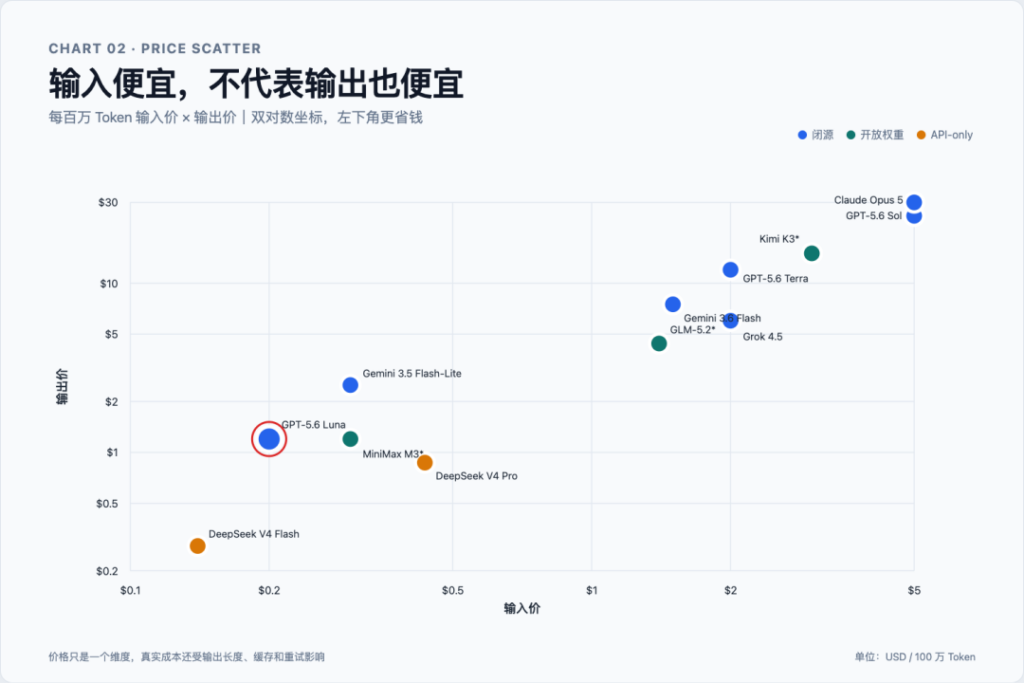

Solution: Test the same batch of tasks first, then stratify by quality, cost and risk
Instead of immediately cutting all calls to the lowest price when you see a certain drop, it is better to do a small-scale comparison with recent real tasks. This allows you to see at the same time whether the quality is sufficient, whether the number of retries has increased, and the actual cost of each successful result.
- Select a representative set of tasks. Covers simple classification, regular summarization and complex tasks requiring reasoning, with fixed input data and acceptance criteria.
- Record the cost “per qualifying result.” Save input, output tokens, cache and tool call usage, and note manual rework and failed retries; don’t just compare price tags.
- Set model levels for different tasks. A large number of steps with clear rules are used to test low-cost models first; complex judgments or high-risk outputs are left to more suitable models and manual review is added.
- Set up budget and exception reminders. Separate API credentials by project or environment, limit the available scope, and check usage regularly; do not put keys into public code or articles.
- Calculate payment costs separately. Service provider bill, exchange rate, card fee and model Token price are different items. The virtual card can help manage expenditures by project with the support of the service provider, but it will not reduce the API unit price and does not guarantee approval of each transaction.
This round of price cuts shows that model prices will change, but it does not mean that a model will always be the most cost-effective. The truly prudent approach is to read the official price list before each purchase or switch, use your own tasks to evaluate it, and manage the quota, billing and permissions together. The model is updated quickly, and budget management and manual review need to be more stable.
Virtual Card
Original article by Virtual Card Reviews & Cross-Border Payment Guides. If republishing, credit the source: https://visaspay.com/en/gpt-5-6-luna-api-price-reduced-by-80-how-to-calculate-the-cost-and-which-ta/