Virtual Card
Many companies don’t realize that the primary card should not be shared by multiple teams until an abnormal charge occurs. Sharing the main card seems convenient: no application, no explanation, anyone can buy it. However, it mixes purchasing, advertising and subscriptions, which cannot be calculated according to business, and also makes card suspension a high-risk action that “all employees are affected together”.
It is more suitable for team collaboration to keep the main card on the capital layer and place daily payments on the VCC with clear purposes. The core is not to open many cards, but to have boundaries for each card: what scenarios can be used, how much can be spent each time, who can apply, who can adjust, and who can see complete information.

Three types of cards, three sets of different control logics
The purchasing card emphasizes suppliers and orders; the advertising card emphasizes accounts, currencies and daily budgets; the subscription card emphasizes automatic renewal, seats and persons in charge. Mixing them can lead to purchase refunds that go towards advertising budgets, or the failure of one subscription to affect other businesses.
| Card Category | Common users | Key points of permissions | Recommended quota logic |
|---|---|---|---|
| Purchasing Card | Procurement, supply chain | Supplier/order binding, secondary approval | By purchase order or batch |
| Advertising Card | Person in charge of delivery | Advertising account ownership, early warning, backup plan | Weekly or monthly budget |
| Subscription Card | Department Administrator | Automatic renewal, expiration date, seat handover | Based on monthly subscription amount |
Roles are not equal to permissions
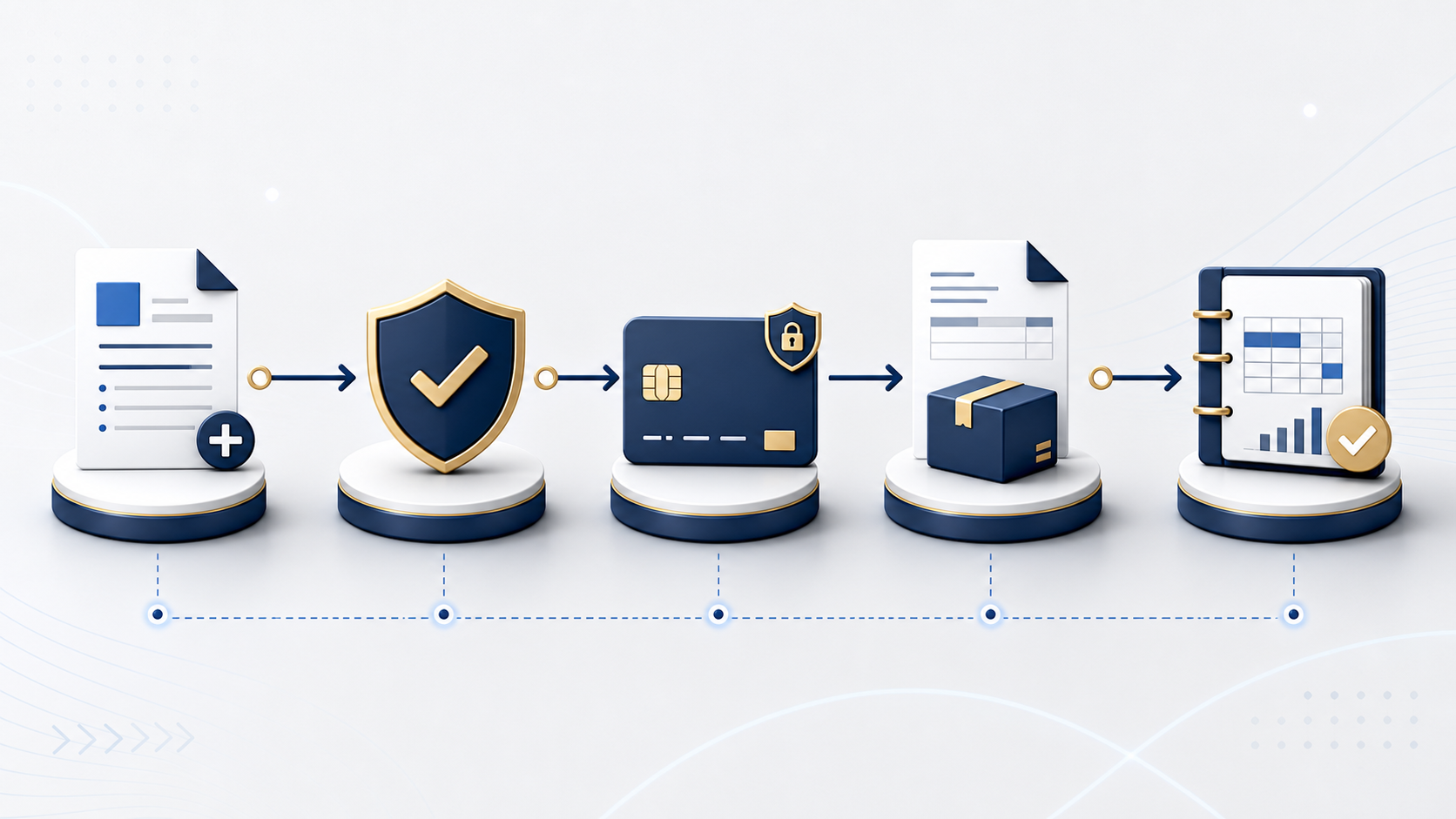
When actually implemented, it can be divided into four roles: applicant, approver, card administrator, and financial reconciliation person. Applicants do not necessarily need to see complete card information; card administrators should not approve their own high-value applications. For small teams, one person can perform both roles, but approval records must be left and amount thresholds must be set.
An easily overlooked action is to establish a “deactivation list”: when employees leave, projects are completed, suppliers stop cooperating, advertising accounts are closed, subscriptions are no longer used, who closes the card or reduces the balance within a few working days. Without a deactivation mechanism, no matter how complete the permissions table is, it will gradually become ineffective.
Permission System Checklist
- Label each card as a purchase, advertisement, or subscription, not as a vague “backup card.”
- The person responsible for application, approval, card issuance and reconciliation can be traced.
- The upper limit of single transaction, cycle and total balance corresponds to the business budget.
- High-risk actions (limit increase, billing information exchange, large-value card opening) require a second confirmation.
- Card number information is visible to the minimum necessary range and follows corporate security policies.
- There is a fixed process for card suspension after resignation, settlement, and refund.
The purpose of this system is not to increase the process, but to allow the team to know “who should handle which card” even during peak business periods. The actual roles, permission configurations and available control items of the card issuance service vary depending on the product. Before going online, a small number of cards should be used to go through the process.
Virtual Card
Original article by Virtual Card Reviews & Cross-Border Payment Guides. If republishing, credit the source: https://visaspay.com/en/one-main-card-is-not-enough-how-does-an-enterprise-establish-an-authority-s/